The Debt Collector
The carbon was the loan. The methane is the interest. The heat wave is the knock at the door.
By Juneia Mallas – 23 June 2026
There is a way of thinking about the atmosphere that bankers understand before scientists do. We borrowed against it. Every tonne of carbon burned since the first pit was sunk was a drawdown on a facility no one had priced, secured against collateral we all happen to live inside. For two centuries the repayments looked optional. They were never deferred. They were accruing.
This summer, the lender came to collect.
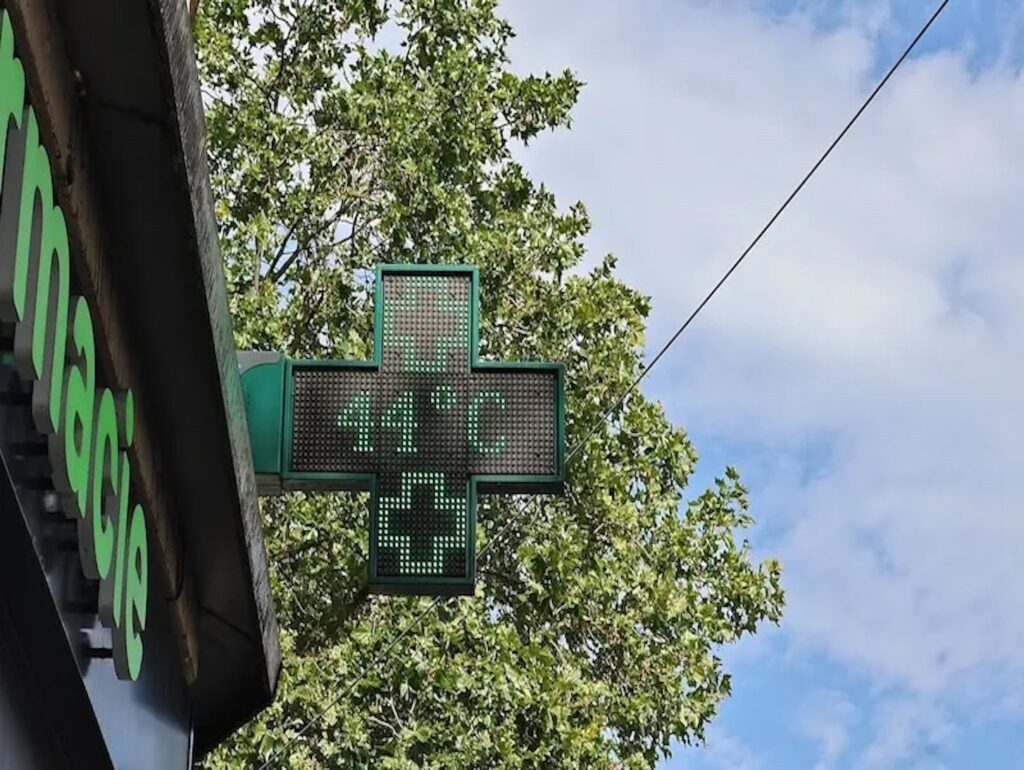
In France, the national heat record fell again and twothirds of departments went to red alert, while the UK Met Office issued a rare red extremeheat warning as the June record broke. In Billings, Montana, the temperature reached 43.9°C on 12 July — the hottest day in the city’s history; Salt Lake City set its own record days later. More than 165 million people across the American Midwest and East were placed under major or extreme heat warnings. Portugal and southern Spain touched 43°C, and parts of central Asia baked under 40. In Copenhagen, the World Health Organization convened an emergency call across 41 member states and called extreme heat a public health emergency, not a weather event.
That is what collection looks like — not a single catastrophe but a schedule, arriving every summer slightly larger than the last, and now slightly sooner. Europe’s first recordbreaking heat this year came in May, weeks before the season it used to belong to. The collector is learning to knock early.
The finance sector has a vocabulary for this that the climate conversation lacks. It knows what a missed payment is. It knows that interest compounds, that default has a date, that when you stop servicing a mortgage you do not keep the house out of the lender’s goodwill. The planet is not a metaphor for a lender. It is the strictest one imaginable: it does not renegotiate, it accepts no hardship letter, and its terms are written in physics.
Read the balance sheet honestly and one line stands out. Carbon dioxide is the principal — vast, slow, the debt it will take decades to refinance through the whole apparatus of decarbonisation. Methane is the interest. Over twenty years it warms the atmosphere at eightytwo times the potency of the same mass of CO2. It is shortlived and ferocious: cut it and the relief arrives fast, in years rather than lifetimes. Leave it, and it compounds against you now — in precisely the summers we are living through.
Which brings us to the one instrument still on the table.
Coal mine methane is the bridge loan. In finance, a bridge is the shortterm money you take when foreclosure is close and the long refinance has not yet completed — the liquidity that keeps the house standing while the slower deal is done. Abating the methane that vents from working and abandoned coal mines is precisely that. It does not replace the long work of ending fossil combustion; it buys time inside it. The gas is already leaking. The technology to destroy it exists. The temperature dividend is immediate. Of every lever available this decade, few are faster or cheaper.
And here is the part a lender would find absurd. The bridge is offered on favourable terms, and almost no one is drawing it down.
Coal mine methane abatement is genuinely additional — which is to say, nothing currently forces the payment. No price signal makes it pay. No regulation, in most jurisdictions, compels it. The methane vents whether or not anyone finances its capture; the miners work beneath it either way. This is not a subsidy question dressed up as harm reduction. It is harm reduction, full stop. The gas escapes regardless. The only decision on the table is whether it escapes into the atmosphere or is destroyed on the way out.
The money world is, quietly, beginning to agree. In June, the Bank of England moved to exclude issuers whose revenue comes from thermal coal mining from the collateral it will accept. The lenders, in other words, are already repricing the asset. They can read a schedule of payments coming due as well as anyone.
The uncomfortable truth the finance frame exposes is that we are not, for the most part, unable to pay. We are choosing not to. The bridge loan on coal mine methane sits unused not because it is unavailable, but because no one has been made to sign for it — and because the vents are out of sight, in someone else’s country, beneath someone else’s ground.
The heat wave is not a warning any more. A warning implies time still on the clock before the first demand. This is the demand. It arrives now, every July, addressed to all of us — and the collector at the door has never once accepted the excuse that we did not know the debt was ours.
THE METHANE BRIEF · CLEAN EXIT ADVISORY · JULY 2026